|
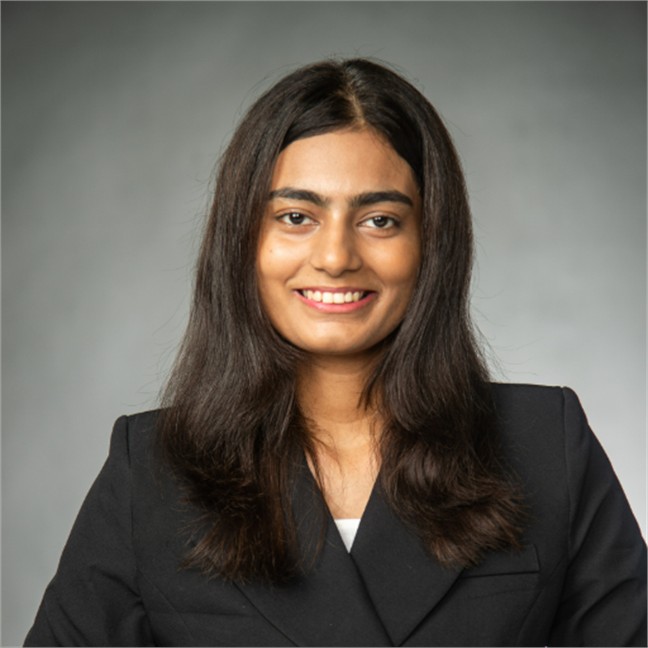
Sara Sameer I am a Computer Science PhD student at The Australian National University, supervised by Dr. Ahad Zehnmakan. My research focuses on graph intelligence and neural networks for learning over structured and relational data. Previously, I set foot in battery analytics research as a Research Engineer at Singapore Institute of Technology where I was advised by Prof. Wei Zhang. My work revolved around devloping physics-based hybrid models for lithium-ion battery health monitoring. Before that, I completed my Bachelor's degree in Computer Science from FAST NUCES Karachi. |
|
|
|
'*' denotes equal contribution |
|
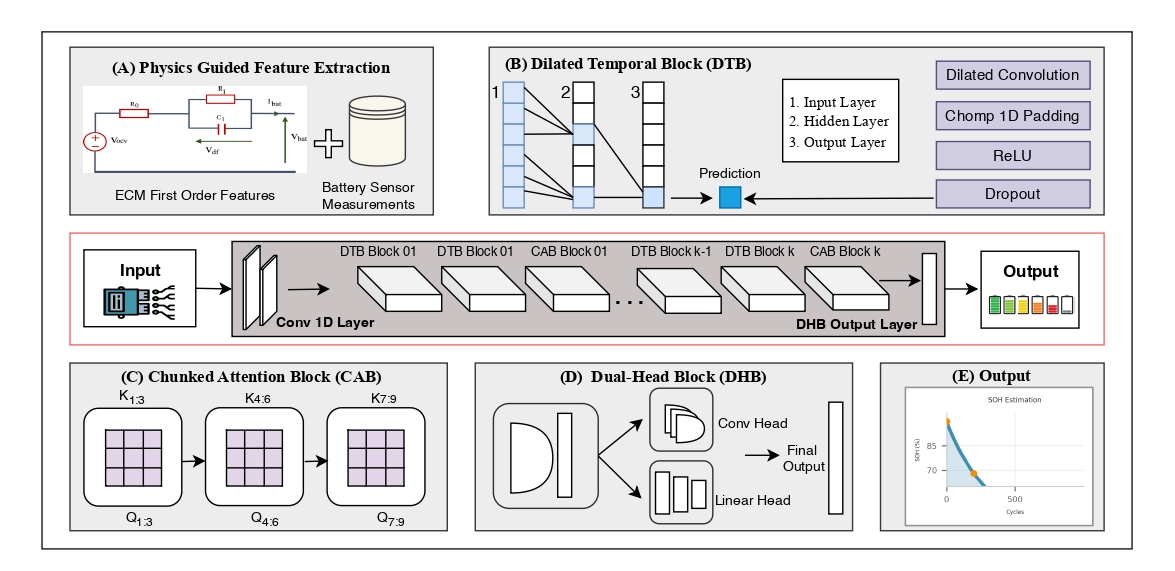
Pace: Physics-Aware Attentive Temporal Convolutional Network for Battery Health Estimation
Sara Sameer*, Wei Zhang*, Kannan Dhivya Dharshini, Xin Lou, Qingyu Yan, Terence Goh, Yulin Gao ACM Symposium On Applied Computing (SAC), 2026 paper / code A lightweight deep learning ensemble model for efficient battery SoH monitoring for edge applications. |
|
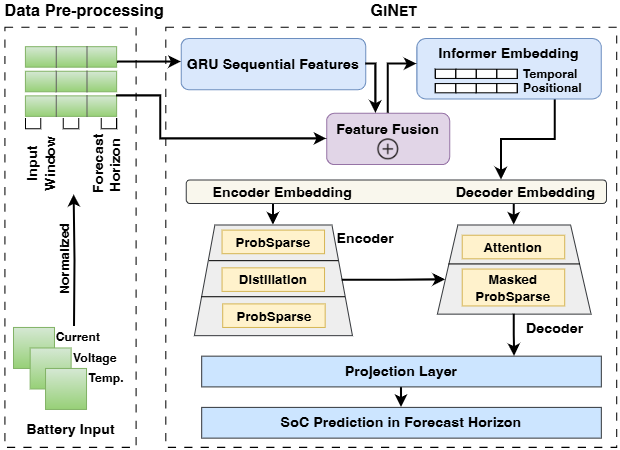
GINET: Integrating Sequential and Context-Aware
Learning for Battery Capacity Prediction
Sara Sameer*, Wei Zhang*, Xin Lou, Qingyu Yan, Terence Goh, Yulin Gao IEEE Vehicular Technology Conference (VTC), 2025 paper / code / talk / slides A gated recurrent units enhanced Informer network for predicting battery's capacity using long-term dependencies in battery data. |
|
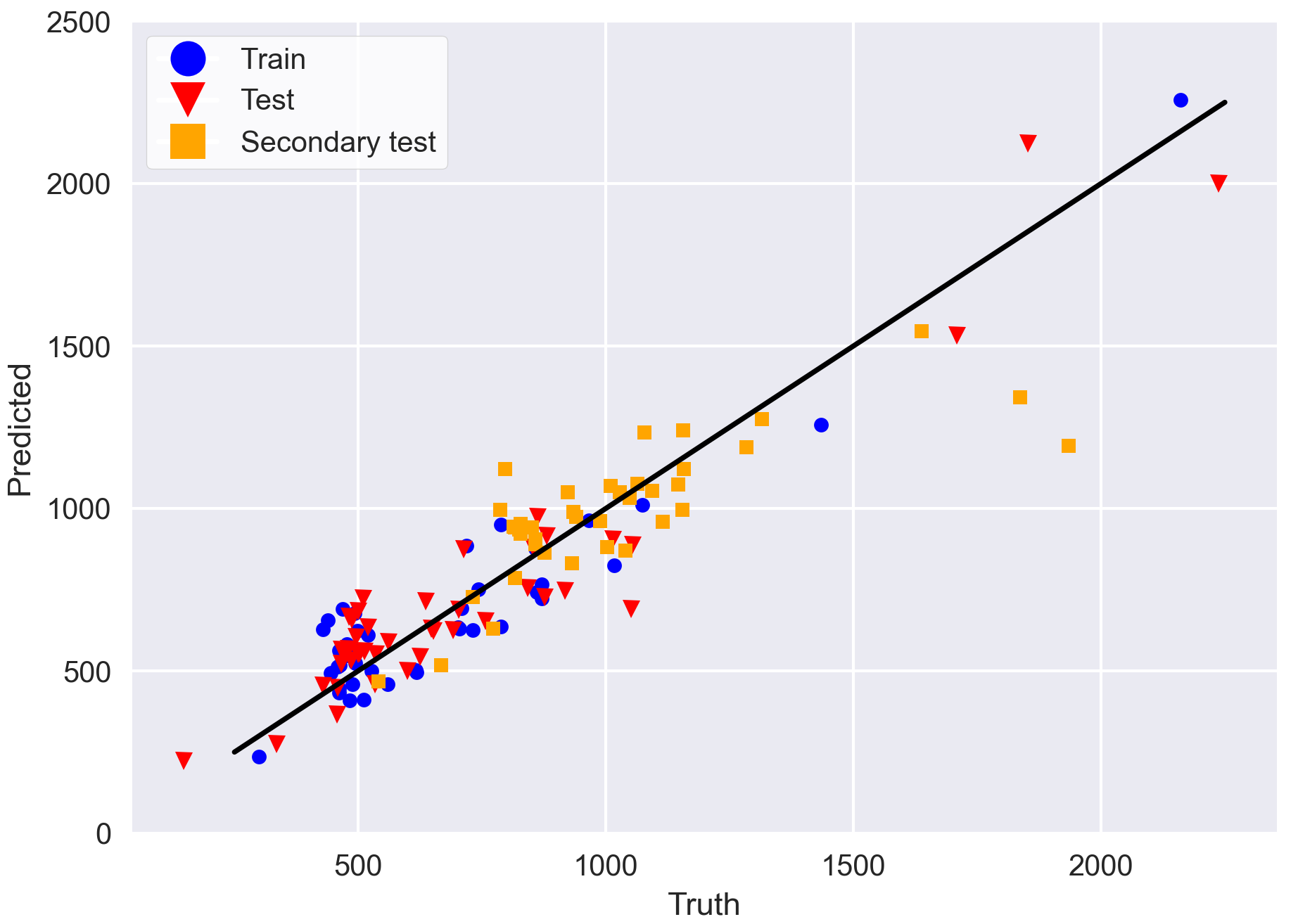
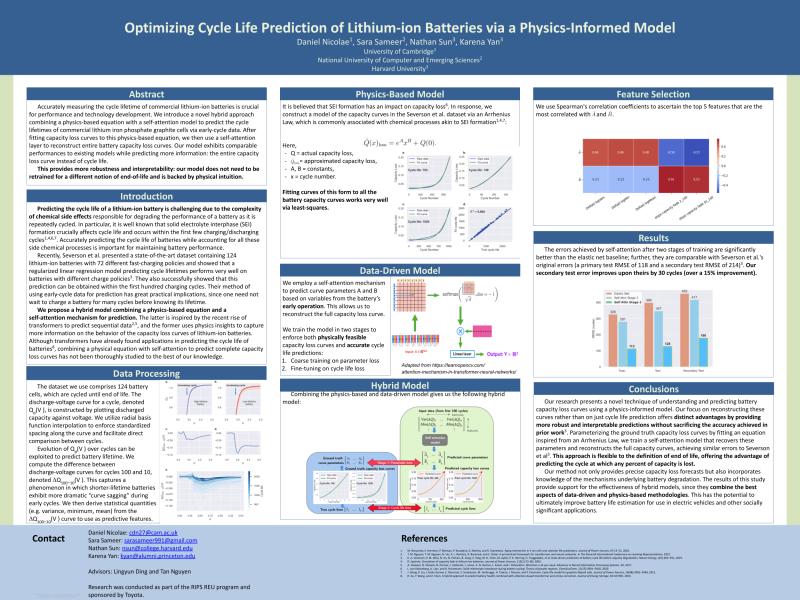
Optimizing Cycle Life Prediction of Lithium-ion Batteries via a Physics-Informed Model
Constantin-Daniel Nicolae, Sara Sameer, Nathan Sun, Karena Yan Transactions of Machine Learning Research (TMLR), 2025 Also presented at Joint Mathematics Meetings (JMM), 2024 paper / code / poster A hybrid approach combining a physics-based equation with a self-attention model to predict the cycle lifetimes of commercial Li-ion Batteries via early-cycle data. |
|
Feel free to steal this website's source code. Do not scrape the HTML from this page itself, as it includes analytics tags that you do not want on your own website — use the github code instead. Also, consider using Leonid Keselman's Jekyll fork of this page. |